concept
The Vanir
Vanir
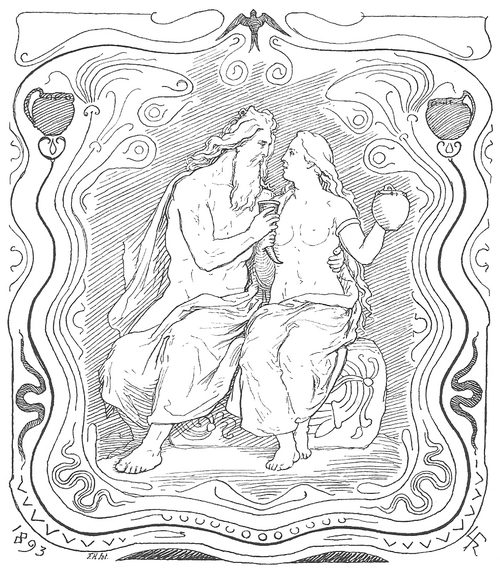
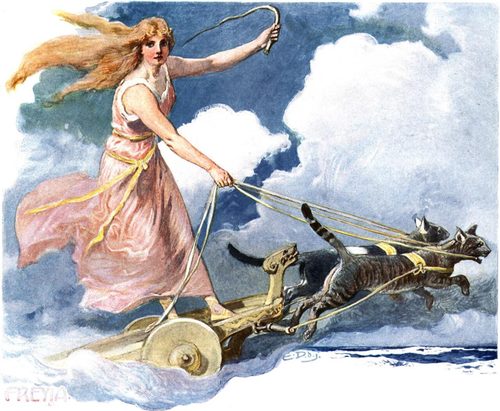
The second family of gods, associated with wealth, fertility, the sea and foresight. After a war with the Æsir they exchanged hostages, and Njörðr, Freyr and Freyja came to live among the Æsir.
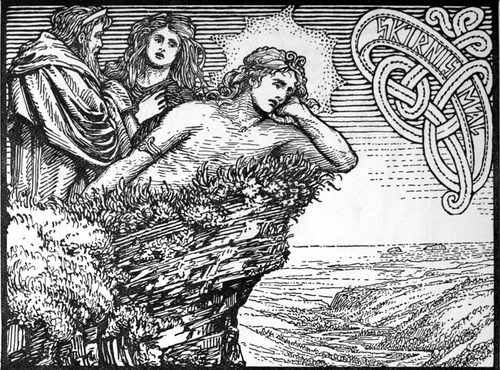
The Vanir are the second family of Norse gods, distinct from the Æsir. Only three are named with certainty: Njörðr and his children Freyr and Freyja. Njörðr is "God of the Vanir, or Kinsman of the Vanir, or Wane", Freyr the same Skáldskaparmál 6 Skáldskaparmál 7, and Freyja "Lady of the Vanir" Gylfaginning 35. What they share in the sources is wealth, sea, harvest and love; in the poems the Vanir are also "wise" Skírnismál 17 and know the future Þrymskviða 14.
The war
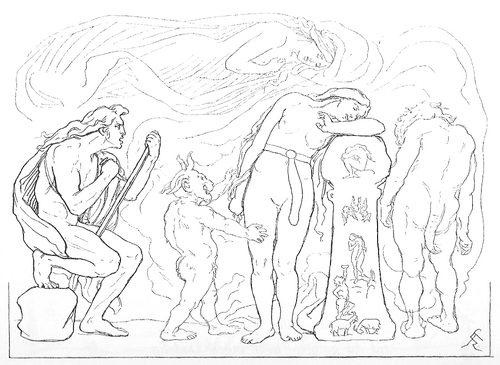
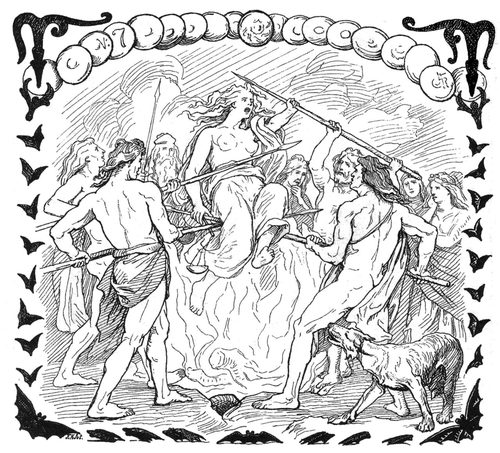
The Vanir and the Æsir once fought. Völuspá calls it "The war ... the first in the world" and tells it in a few obscure stanzas: the gods spear and burn a woman called Gollveig three times, she is reborn each time and becomes the witch Heiðr; Odin hurls his spear over the host, "The wall that girdled the gods was broken, And the field by the warlike Wanes was trodden", and the gods debate whether to pay tribute or share worship Völuspá 21-24. The poem does not say who won. See The war of the Æsir and the Vanir.
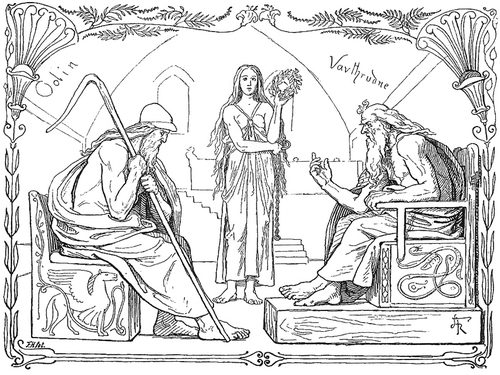
The Eddas agree on how it ended: in an exchange of hostages. Vafþrúðnir tells Odin that the Vanir made Njörðr and "gave him as pledge to the gods", and that at the end of the world "shall he fare once more Home to the Wanes so wise" Vafþrúðnismál 39. Snorri adds that the Æsir gave Hœnir in return Gylfaginning 23. In Skáldskaparmál, Bragi tells how both sides sealed the peace by spitting into a vat, and the gods made the spittle into Kvasir, the wisest of beings Skáldskaparmál 1. Snorri's Ynglinga saga, outside the Eddas, gives a fuller version: Njörðr and Freyr went to the Æsir, and Hœnir and Mímir to the Vanir, who beheaded Mímir when they felt cheated.
A separate world
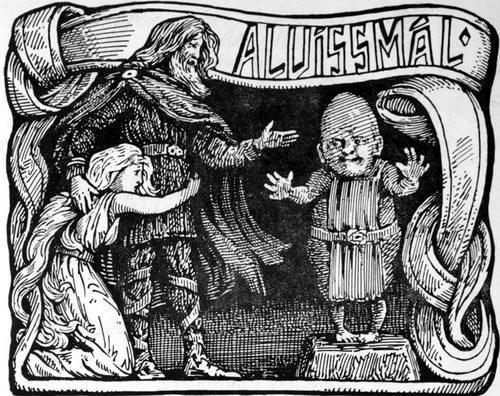
The Vanir have their own home, Vanaheimr, "the home of the Wanes" in Bellows's translation of Vafþrúðnismál Vafþrúðnismál 39, and their own vocabulary. In Alvíssmál the dwarf Alvíss gives the Vanir's words for earth, sea, fire and other things alongside those of gods, giants and elves; their word for heaven is "The Weaver of Winds" Alvíssmál 12. They also had customs the Æsir did not: Loki accuses Njörðr of fathering Freyr on his own sister Lokasenna 36, and Ynglinga saga says such marriages were lawful among the Vanir. The same saga says Freyja brought the magic called seiðr from the Vanir to the Æsir.
In the sources
Quoted from the hosted translations; each line is checked against the text when the site is built. Select a reference to read it in context.
On the host his spear did Othin hurl, Then in the world did war first come; The wall that girdled the gods was broken, And the field by the warlike Wanes was trodden.
In the home of the Wanes did the wise ones create him, And gave him as pledge to the gods
he was reared in the land of the Vanir, but the Vanir delivered him as hostage to the gods, and took for hostage in exchange him that men call Hœnir
The gods had a dispute with the folk which are called Vanir, and they appointed a peace-meeting between them and established peace in this way: they each went to a vat and spat their spittle therein.
Then Heimdall spake, whitest of the gods, Like the Wanes he knew the future well
Where the sources disagree or fall silent
- What the war was about. Völuspá links it to the burning of Gollveig (Völuspá 21-24) but does not explain; Snorri, in the Eddas, mentions only the peace and the hostages.
- Whether the Vanir were originally a separate cult of fertility gods, or a separate people's gods, later merged with the Æsir. This is a widely held theory (for example in Georges Dumézil's work), not something the sources say.
- Which gods are Vanir beyond Njörðr, Freyr and Freyja; the sources name no others for certain.