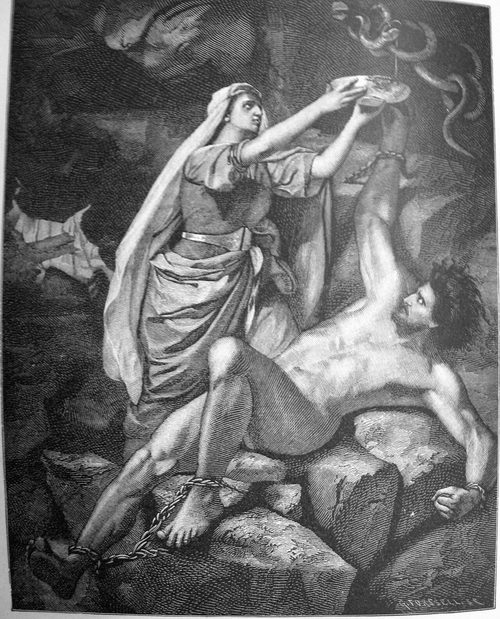
concept
Seiðr
seiðr
A form of Norse sorcery used to see the future and to bend minds, bodies and luck; associated with seeresses, with Freyja and the Vanir, and, shamefully, with Odin.
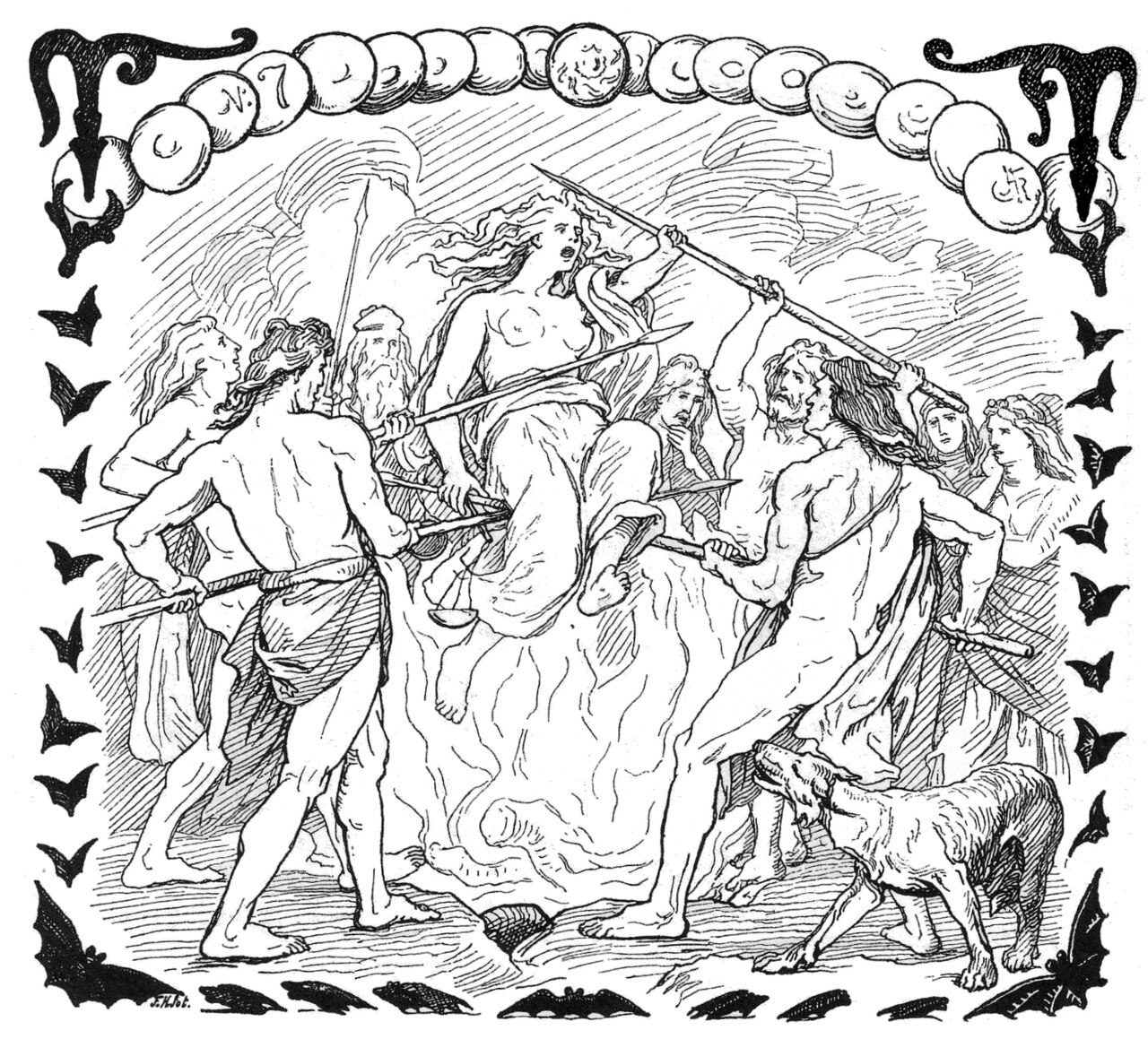
Seiðr is the name the Norse gave to a kind of sorcery: magic that could reveal the future, draw things to the practitioner, turn people's minds, or bring illness and death. Almost everything we know about how it was done comes from sagas written in Christian Iceland. The Eddas say much less, but what they say is old and pointed, and it raises two questions the sagas also deal with: who practised seiðr, and why it was shameful for a man to do it.
What the Eddas say
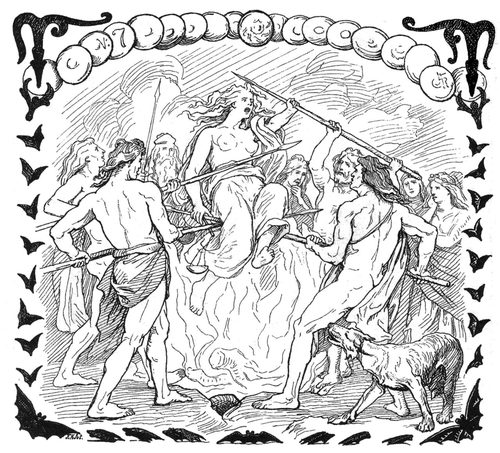
The Poetic Edda gives one portrait of a seiðr-worker. In Völuspá, right after the gods have speared and burned a woman called Gollveig three times Völuspá 21, the seeress describes Heith:
Heith they named her who sought their home,The wide-seeing witch, in magic wise;Minds she bewitched that were moved by her magic,To evil women a joy she was.Völuspá 22
Bellows's "magic" covers the verb seið: in the Old Norse, she practised seiðr wherever she could, and she practised it on minds. She is a wanderer who goes from house to house, a völva who gives prophecies, and her magic works on people's thoughts. The next stanzas describe the first war in the world, between the Æsir and the Vanir Völuspá 23. Many readers think Heith and Gollveig are the same figure, and that her arrival among the gods helped cause the war (see The war of the Æsir and the Vanir). The stanzas are compressed and the link is an inference.
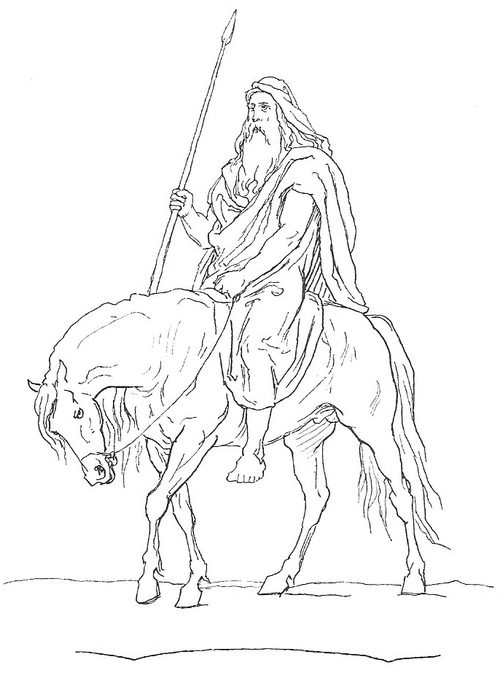
The other Eddic passage is an insult. At Ægir's feast in Lokasenna, Odin taunts Loki for having spent eight winters under the earth as a milkmaid and borne children: "Unmanly thy soul must seem" Lokasenna 23. Loki answers in kind:
They say that with spells in Samsey onceLike witches with charms didst thou work;And in witch's guise among men didst thou go;Unmanly thy soul must seem.Lokasenna 24
The Old Norse verb here is again a seiðr word, and "like witches" is literally "like völur", like seeresses. Loki is saying that Odin, on the island of Samsey, did women's magic in a woman's manner. Both insults use the same word for unmanliness, argr, the adjective behind ergi. One further glimpse comes from skaldic verse. Snorri quotes a line of the poet Kormákr, "Odin wrought charms on Rindr" Skáldskaparmál 2, in which the verb is again from seiðr. It refers to the story, told at length only by the Danish historian Saxo, of how Odin won Rindr, the mother of his avenging son Váli Baldrs draumar 11, by trickery and magic.
What the sagas add
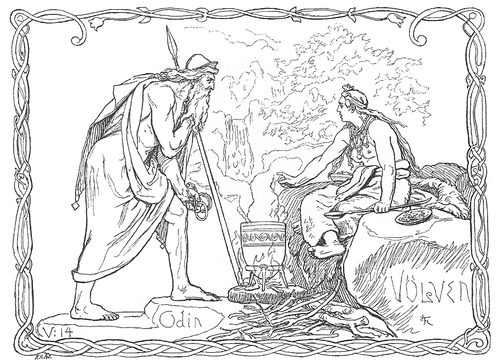
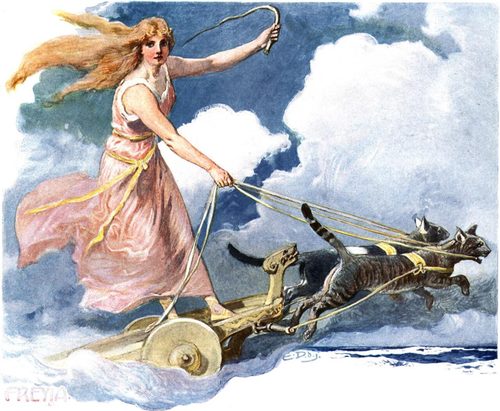
Snorri's Ynglinga saga, part of his history of the Norwegian kings, gives two well-known statements. It says that Freyja, a priestess of the Vanir, was the first to teach seiðr to the Æsir, as it was the custom among the Vanir. It also says Odin knew and practised seiðr, the most powerful of arts, by which he could learn the fates of men and cause death, misfortune or illness, or take wit and strength from one person and give it to another. But so much ergi, unmanliness, went with it that men thought it shameful to practise, and it was taught to priestesses. Snorri wrote this as a Christian historian treating the gods as ancient kings, but the link between seiðr, the Vanir, women and shame matches Lokasenna closely.
The fullest scene of seiðr-like prophecy is in Eiríks saga rauða. A seeress visits a farm in Norse Greenland during a famine. She is given a high seat and a special meal, and needs a chant to be sung before she can see. The only woman present who knows it is Guðríðr, a Christian, who sings it reluctantly. The seeress then foretells the end of the hard times and a great future for Guðríðr. Other sagas, such as Laxdæla saga, show seiðr used to harm and kill.
Seiðr, galdr and ergi
Scholars usually contrast seiðr with galdr, the spoken or sung charm. Galdr is the magic of Odin's songs in Hávamál and of the Runes. It is spoken by men without shame. Seiðr involves a ritual, a staff, a trance or altered state, and helpers who sing, and it belongs to women. The sources do not draw this line as sharply as modern summaries do. Odin raises a dead seeress with charms in Baldrs draumar, and Heith in Völuspá is called a völva.
Why a man who practised seiðr was argr is debated. The word implied effeminacy and, in its strongest sense, passive homosexuality, which carried a heavy legal insult in medieval Iceland. Some scholars connect the shame to the receptive, possessed role of the practitioner. Others connect it to sexual elements in the rite. Others again stress that Odin's willingness to cross that line fits his character: he pays any price for knowledge. Comparisons with the trance practices of Sámi and other northern Eurasian peoples have often been made. Some sagas do link magic with the Sámi, but how far seiðr borrowed from them remains open.
In the sources
Quoted from the hosted translations; each line is checked against the text when the site is built. Select a reference to read it in context.
Heith they named her who sought their home, The wide-seeing witch, in magic wise; Minds she bewitched that were moved by her magic, To evil women a joy she was.
The war I remember, the first in the world, When the gods with spears had smitten Gollveig, And in the hall of Hor had burned her,—
They say that with spells in Samsey once Like witches with charms didst thou work; And in witch's guise among men didst thou go; Unmanly thy soul must seem.
Winters eight wast thou under the earth, Milking the cows as a maid, (Ay, and babes didst thou bear; Unmanly thy soul must seem.)
Odin wrought charms on Rindr.
Where the sources disagree or fall silent
- Whether Heith (Völuspá 22) is the same being as Gollveig (Völuspá 21), and whether either is Freyja; all three identifications are scholarly guesses.
- What exactly the seiðr ritual involved; the sagas describe its setting, not its method.
- The etymology of the word seiðr.
In modern culture
Not from the medieval sources.
Seiðr has had a second life in modern paganism. Since the late 20th century some Heathen groups, especially in the United States and Scandinavia, have practised a reconstructed 'oracular seiðr' in which a seeress on a high seat answers questions in trance, modelled largely on the Eiríks saga scene. Seeresses and seiðr-workers are also familiar figures in historical dramas and games, such as the Seer of the TV series Vikings (2013–2020). These are modern recreations; the medieval sources do not describe the technique in that much detail.