Æsir
Höðr
The blind god who killed his brother Baldr with a shaft of mistletoe, guided, in Snorri's telling, by Loki. He is killed in revenge by Váli and returns with Baldr after Ragnarök.
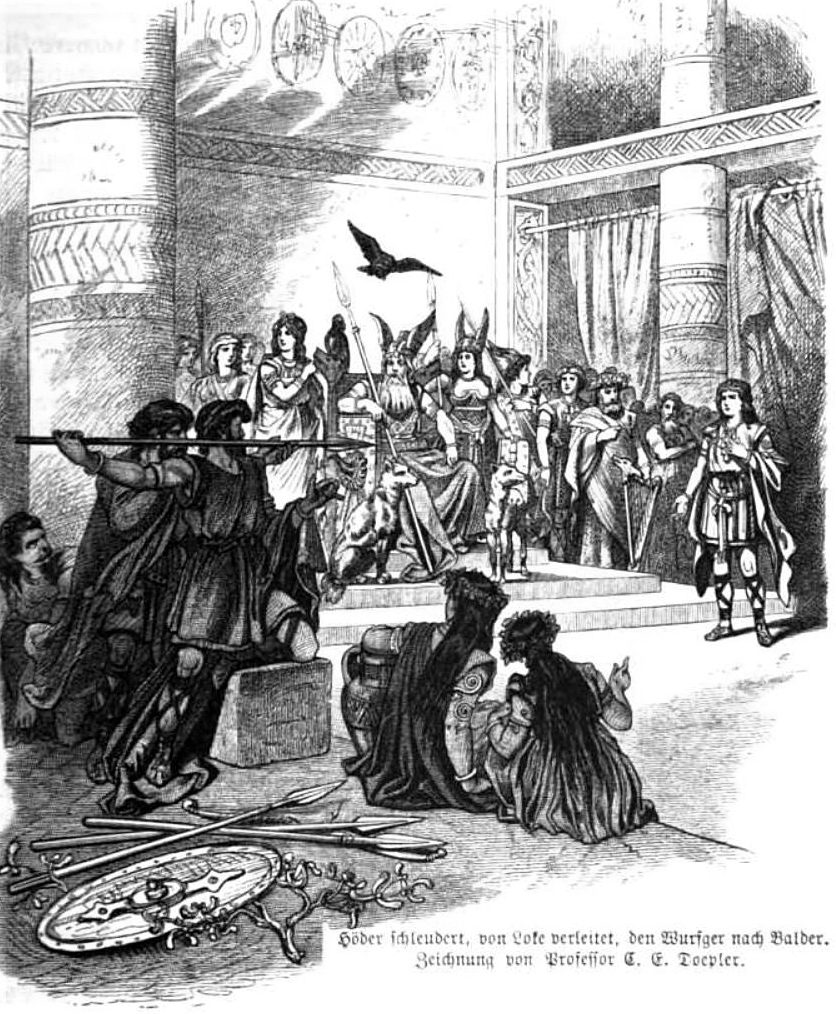
Höðr (Bellows: Hoth) is the blind son of Odin who killed his brother Baldr. Snorri introduces him with obvious reluctance: he is blind and strong enough, "but the gods would desire that no occasion should rise of naming this god, for the work of his hands shall long be held in memory" Gylfaginning 28.
The killing
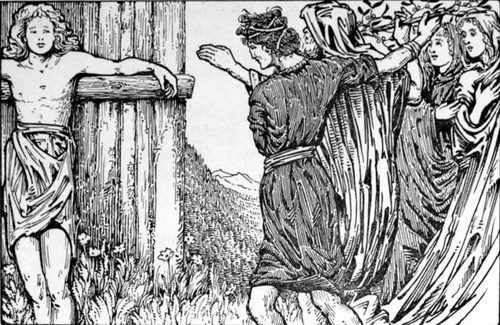
In the poems Höðr acts alone. Völuspá tells of a "harmful shaft that Hoth should hurl" from the slender mistletoe Völuspá 33, and in Baldrs draumar a dead seeress tells Odin that "Hoth thither bears the far-famed branch, he shall the bane of Baldr become" Baldrs draumar 9. Neither poem says why.
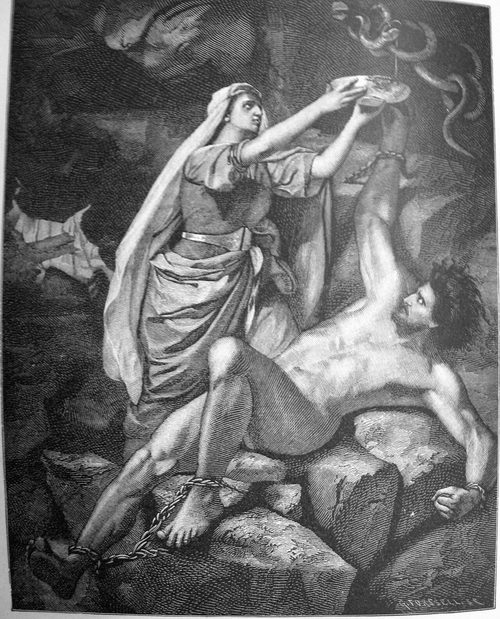
Snorri adds a motive and a culprit. While the gods were throwing weapons at Baldr, who could not be hurt, Höðr stood outside the circle. Loki asked him why he did not join in. "Because I see not where Baldr is," he replied, "and for this also, that I am weaponless." Loki gave him the mistletoe and pointed his hand Gylfaginning 49. In Snorri's version, then, Höðr is an unwitting instrument. The gods, Snorri says, "were all of one mind as to him who had wrought the work", but could take no vengeance in the sanctuary Gylfaginning 49; he does not say whether they meant Höðr or Loki.
Revenge and return
Höðr is killed for it anyway. Odin learns from the seeress that Rindr will bear a son who will not wash his hands or comb his hair "till the slayer of Baldr he brings to the flames" Baldrs draumar 11; Völuspá repeats the picture Völuspá 34. That son is Váli, and Snorri's kennings call him "Foe and Slayer of Hödr" Skáldskaparmál 12.
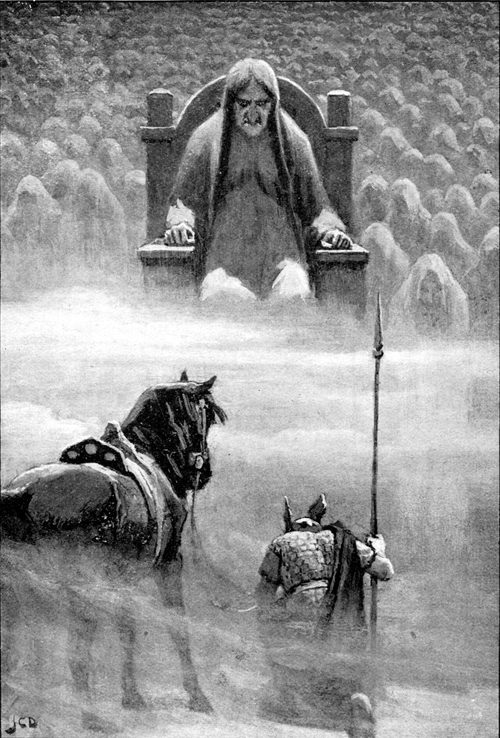
After Ragnarök Höðr comes back from Hel with Baldr. "Baldr and Hoth dwell in Hropt's battle-hall", Völuspá says Völuspá 62, and Snorri describes them sitting with the surviving gods and talking over the past Gylfaginning 53. The brothers end reconciled.
The Danish historian Saxo Grammaticus tells a very different version, in which Høtherus is a human hero, not blind, who fights Balderus over Nanna and kills him with a sword. Scholars disagree about whether Saxo or Snorri preserves the older form of the story.
In the sources
Quoted from the hosted translations; each line is checked against the text when the site is built. Select a reference to read it in context.
One of the Æsir is named Hödr: he is blind. He is of sufficient strength, but the gods would desire that no occasion should rise of naming this god
From the branch which seemed so slender and fair Came a harmful shaft that Hoth should hurl
Because I see not where Baldr is; and for this also, that I am weaponless.
the Blind God, Baldr's Slayer, Thrower of the Mistletoe, Son of Odin, Companion of Hel, Foe of Váli
Baldr and Hoth dwell in Hropt's battle-hall
Where the sources disagree or fall silent
- How much Höðr is to blame: the poems name him alone as Baldr's killer (voluspa 33, baldrs-draumar 9); Snorri makes him Loki's unwitting tool (Gylfaginning 49).
- His mother is never named in the Eddas.