concept
Galdr
galdr
The Norse spoken or sung charm: magic made with words, used by Odin to wake the dead, by Groa to protect her son and by the skilled to heal, bind, loosen and curse.
Galdr is magic done with the voice: a charm spoken or sung, usually in a special metre. The word comes from the verb gala, "to chant" or "to crow". Where seiðr was a ritual tied to seeresses and carried a stigma for men, galdr is the magic of Odin, of heroes and of wise women alike, and nobody in the sources is ashamed of it. Bellows renders it as "charm", "spell" or "magic".
The longest catalogue is in Hávamál, where Odin lists eighteen songs he knows that "king's wives know not, Nor men that are sons of men" Hávamál 147. They heal, blunt an enemy's blade Hávamál 149, spring fetters from the legs Hávamál 150, stop an arrow in flight, turn a curse back on the sender, quench a burning hall, calm the sea, send night-riding witches home Hávamál 156, protect friends in battle Hávamál 157, and win a woman's love Hávamál 162. The eighteenth he will tell no one Hávamál 165.
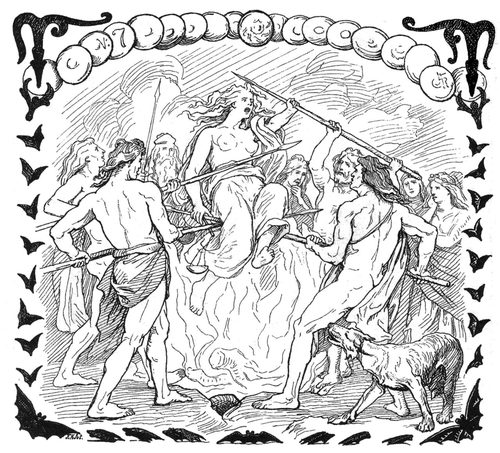
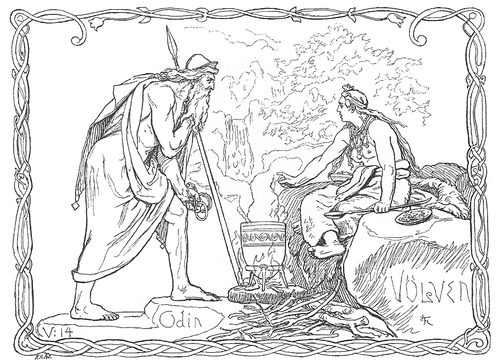
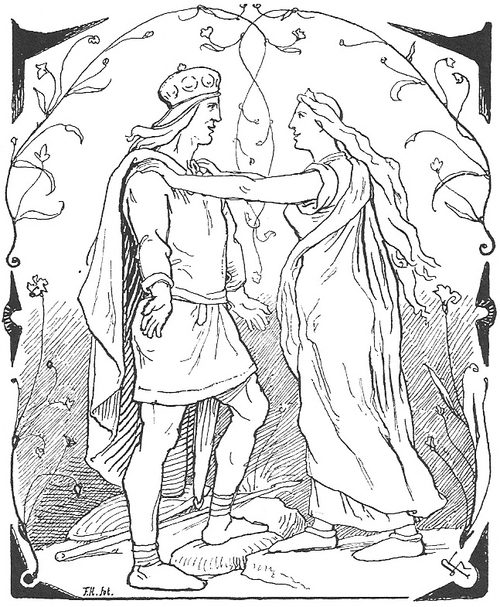
Galdr can also reach the dead. In Baldrs draumar, Odin "spoke … mighty charms" at a seeress's grave "Till spell-bound she rose" Baldrs draumar 4. The Old Norse calls them valgaldr, a corpse-charm. In Svipdagsmál, the roles are reversed: Svipdag wakes his dead mother Groa, and she chants him nine charms for his journey, against floods, fetters, storms, frost and the curse of a dead Christian woman Svipdagsmál 6 Svipdagsmál 13. Snorri tells of a living Groa, perhaps the same name in another tradition, who "sang her spells over Thor" to loosen a whetstone from his head and forgot them halfway Skáldskaparmál 17.
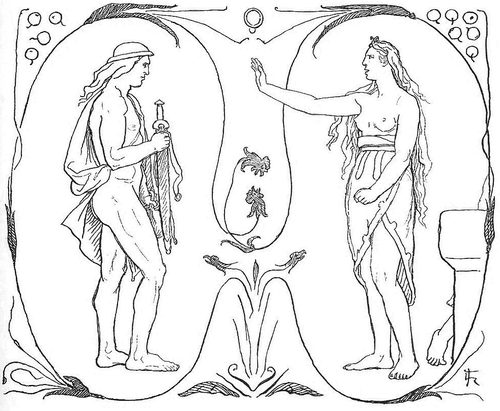
Galdr could help or harm. Oddrun sings "potent charms" to bring Borgny's twins safely into the world Oddrúnargrátr 6. In Skírnismál, Skirnir threatens Gerth with a magic wand and a long curse of loneliness, hunger and madness, and he can take it back: "what I have writ I may yet unwrite" Skírnismál 37.
That last line shows how closely galdr and Runes were linked. Many charms in the poems are both carved and spoken. The twelfth song of Hávamál works by writing and colouring runes Hávamál 158.
In the sources
Quoted from the hosted translations; each line is checked against the text when the site is built. Select a reference to read it in context.
The songs I know that king's wives know not, Nor men that are sons of men; The first is called help, and help it can bring thee In sorrow and pain and sickness.
A fourth I know, if men shall fasten Bonds on my bended legs; So great is the charm that forth I may go,
Magic he spoke and mighty charms, Till spell-bound she rose, and in death she spoke:
Then first I will chant thee the charm oft-tried, That Rani taught to Rind;
With magic Oddrun and mightily Oddrun Chanted for Borgny potent charms.
In modern culture
Not from the medieval sources.
In early modern Iceland, magic was written down in books of spells and signs (galdrastafir). Symbols from these collections, such as the Vegvísir, first recorded in a 19th-century manuscript, are now widely sold as 'Viking' symbols, though they are many centuries younger than the Viking Age.