object
Gleipnir
The silk-soft fetter the dwarves made from six impossible things to bind the wolf Fenrir; it held where two iron chains had failed, and cost Týr his hand.
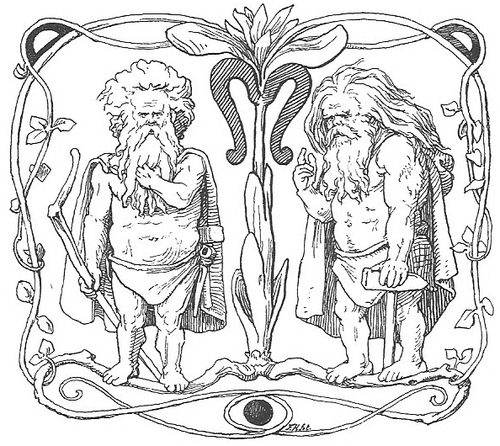
Gleipnir is the fetter that finally held Fenrir. It is known only from Snorri's Gylfaginning, but there it is told in loving detail (see The binding of Fenrir). The wolf had already broken two iron fetters, Lædingr and Drómi, so Odin sent Skírnir, Freyr's messenger, to dwarves in the land of the Black Elves (Svartálfaheimr) to make a better one Gylfaginning 34.
They made it of six things: the noise of a cat's footfall, the beard of a woman, the roots of a rock, the sinews of a bear, the breath of a fish and the spittle of a bird. Hárr, Snorri's narrator, offers proof with a straight face: Gangleri must have noticed that a woman has no beard, a cat's leap makes no sound and a rock has no roots. The result was "soft and smooth as a silken ribbon" Gylfaginning 34.
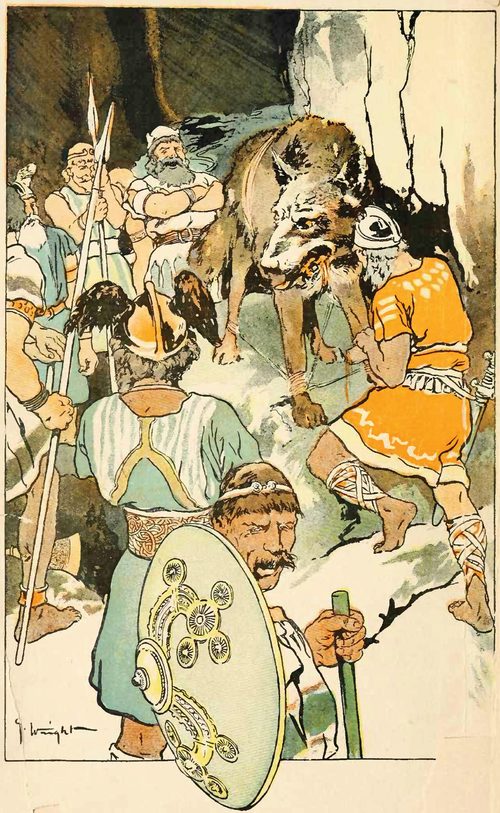
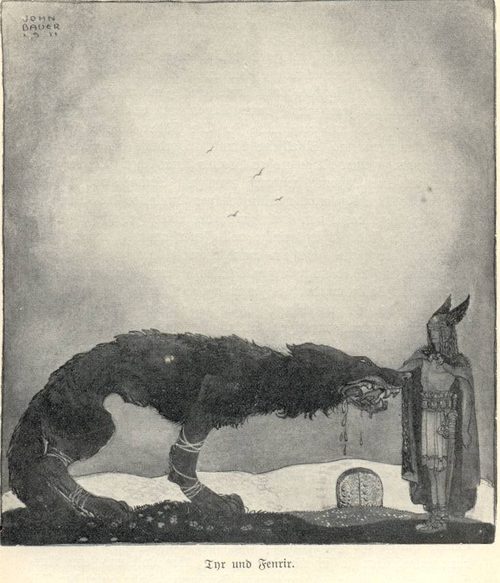
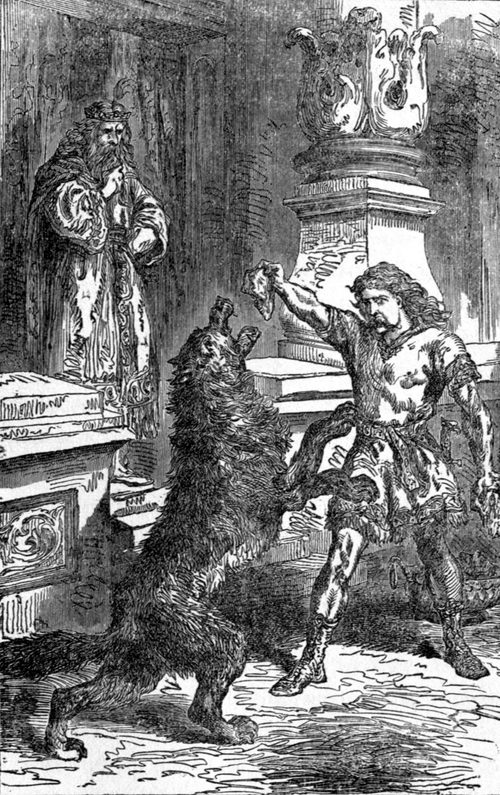
On the island Lyngvi in the lake Ámsvartnir the gods asked the wolf to test it. He suspected a trick in so thin a band and agreed only if a god put a hand in his mouth. Týr did. The harder the wolf strained, the tighter the band became, and Týr lost his hand Gylfaginning 34 Gylfaginning 25. The gods fixed the fetter's chain, Gelgja, through a rock called Gjöll, and pinned it deep in the earth with the stone Thviti. Gleipnir holds until Ragnarök, when "all fetters and bonds shall be broken" and Fenrir runs free Gylfaginning 51.
In the sources
Quoted from the hosted translations; each line is checked against the text when the site is built. Select a reference to read it in context.
It was made of six things: the noise a cat makes in foot-fall, the beard of a woman, the roots of a rock, the sinews of a bear, the breath of a fish, and the spittle of a bird.
The fetter was soft and smooth as a silken ribbon
when the Æsir enticed Fenris-Wolf to take upon him the fetter Gleipnir
Where the sources disagree or fall silent
- The meaning of the name is unclear; it has been connected with words for 'open' or for 'entangle', but none is secure.