creature
The four stags of Yggdrasil
Dáinn, Dvalinn, Duneyrr, Duraþrór
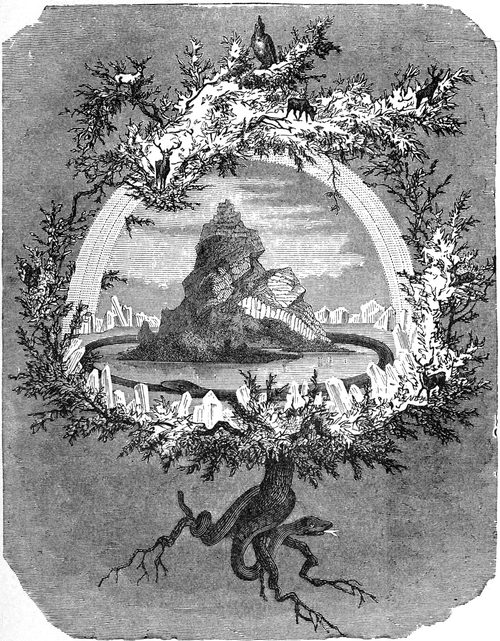
Four harts that browse the topmost branches of Yggdrasil; two of them share names with dwarves.
Four harts live in the branches of Yggdrasil. Grímnismál says they "the highest twigs / Nibble with necks bent back", and names them Dáinn, Dvalinn, Duneyrr and Duraþrór; the manuscript has a gap in the middle of the line Grímnismál 33. A few stanzas later the poem lists the tree's sufferings: "The hart bites its top, its trunk is rotting, / And Nithhogg gnaws beneath" Grímnismál 35. Snorri repeats the names and says the harts "run in the limbs of the Ash and bite the leaves" Gylfaginning 16.
That is all the sources say. The harts belong with the other creatures that wear the tree down — the serpents at its roots, Níðhöggr below, and the squirrel Ratatoskr running between.
Two of the names are also dwarf names. Dáinn and Dvalinn appear in the Völuspá list of dwarves Völuspá 11, and in Hávamál Dáinn carves runes for the elves and Dvalinn for the dwarves Hávamál 144. Snorri's list of poetic names for the hart includes all four Skáldskaparmál 57. Whether the coincidence means anything is unknown. Grímnismál also has a separate hart, Eikþyrnir, standing on Valhall Grímnismál 26.
In the sources
Quoted from the hosted translations; each line is checked against the text when the site is built. Select a reference to read it in context.
Four harts there are, that the highest twigs Nibble with necks bent back; Dain and Dvalin, ...... Duneyr and Dyrathror.
The hart bites its top, its trunk is rotting, And Nithhogg gnaws beneath.
four harts run in the limbs of the Ash and bite the leaves. They are called thus: Dáinn, Dvalinn, Duneyrr, Durathrór.
Where the sources disagree or fall silent
- Grímnismál 35 speaks of a single hart biting the top of the tree; whether it is one of the four is not said.
- Whether the stags' names (two of which are also dwarf names) have any connection to the dwarves is unknown.
- Some scholars have suggested the four stags stand for winds or seasons; there is no support for this in the texts.